Saturday, June 21, 2008
Flies and Stuff- keith blogs his UK flyfishing


Sunday, June 08, 2008
June 2008 Middle Vaal Report

Winter has well and truly arrived, although living on the northern side of the Magalies I only notice it when I visit the Vaal. I spent a day out on the river the last weekend of May and the water was only just bearable in neoprene waders. That said if you manage to stay out of it you can easily still fish with only longs. We are so blessed with temperate days of clear blue skies.
Planning a trip should centre on the major frontal systems. If it’s big it will sweep the country and you’ll be better off tying flies or cleaning the garage. I thought this would be a very cold winter but on the odd hunting trip the campfire was a pleasant experience.
Flows have been erratic up to 25 cumecs in the last two weeks (up to 30 from the 8th), which is above the winter flow regime. Hopefully we can get some low constant flows, which should contribute to increased visibility.

In winter the main focus will be on mayflies. Some of the readers have sent me questions in the past on what are meant by all the terms used when describing the various stages of the mayflies. For those who still have questions have a look at this great article on Hatches magazine - http://hatchesmagazine.com/page/january2006/86
I do not think we need to be able to define between male and female to be successful on the Vaal. Heck I cannot find any plausible reason why a fish would pick a male over female. I may be wrong;-)
There are some new updates at http://www.danica.com/flytier. Note how many tiers use CDC, especially when tying grayling flies. Don’t overlook this aspect as there are similarities in the way these fish feed.
The last trip was always going to be tough. I did not have a boat only my float tube, which hasn’t been used for 5 years and which I have never used on the Vaal. In short it wasn’t the perfect tool for the job. I prefer to use the two-man inflatable used by the rafting fraternity. From a fishing point of view they are perfect. The inflated pontoons offer a stable platform allowing the angler to fish and spot from a standing position.
The visibility is still not optimal but if you know where to look you will find the smallmouth. I fished a likely looking pool but there were no takers. I then decided to walk the bank for approximately 1km up and down stream. I was looking for the tell tale sign of consistent risers and I found them at the head and eye of the pool.

The channel was split by a small island joining up at the head of a long pool- see photo above . The fish were holding (blue circles) out of the main current (green line) occasionally sipping insects off the surface.
The key to success in winter is searching the pools for feeding fish. Some pools are really big and you tend to get “lost” and cannot decide where to fish. You can start by fishing the likely areas blind, constantly watching the water for signs of activity. Here I would target the head or throat of the pool as long as it’s deep enough. Tail-outs are always good, especially if you have a deep drop-off. Calm or protected bays with minimal flow can warm up and I have seen pods of fish holding fairly close to the surface in such places.

If you do strike it lucky and find a feeding pod I trust your casting will be up to it because you won’t get within 10 metres without spooking them.
LARGEMOUTH
Focus your attention in the tail-outs close to quieter water with protected bays, hyacinth beds and rocky outcrops. Juvenile fish hang around these rocks and occasionally venture out to far. Fish the imitation all the way back to the rod, lifting the leader and then fly clear of the water. Don’t commence casting with 3-meters of fly line out the tip, it is easier to load the rod but you will miss takes. Stand back from the edge at least until you have covered the drop-off with a few casts.

My personal preference is to use natural colours.

Work pressure kept me away from the Bells Largemouth festival. These two flies were tied specifically for the festival. I like the push of water generated by the woolheads – which should register on the lateral line even in lower visibility. The foam popper can be fished top water or below the surface – it is obvious why a surface running fly would be appealing!
Thanks for the contributions for the Largiebase. Unfortunately we do not have enough information to publish – only about ten submissions – crap fisherman I tell you ;-).
 Good luck
Carl & Keith
Tuesday, May 06, 2008
May 2008 Middle Vaal Report

Before you send me hate mail I do not include fishing for wild trout under the vices of the dark side of fly fisher folk. Keith is actually fishing for them, using his great imitations of these: http://www.hatches.tv/play.php?vid=258 That is when spring does arrive in the Northern Hemisphere. The weather has been all over the place in the States, a friend in Seattle was complaining about the snow in April. So don’t complain about our early winter, at least we have clear skies on most winter days.

I enjoy following various international fly fishing forums and visiting the websites. It fuels new ideas in fly tying and reminds me of old trout techniques to try out on yellows. What does strike me is their dependence on the arrival of spring, apart from the obvious opening of the season, at times it’s downright impossible to fish due to the weather.
Water and Weather forecast

Free rising wild trout on light tackle
On the topic of weather we have now (hopefully) seen the end of the rainy (I was writing this before 1 May!) season. Planning a trip is not so much dependant on the rain as on frontal systems bringing cold and drastic changes in pressure which is not conducive to good fishing. Have you ever used this synoptic chart which is available here http://www.weathersa.co.za/ship/ship.gif?

I’m not a meteorologist but the line with the shark teeth ;-) = Cold Front. The jury is still out over the effects of High pressure vs Low pressure on fishing. A quick Google will give you the two sides of the story. I certainly don’t like fishing a day before a major frontal system hits, thereafter it is back to normal.
Flows should have settled into the winter reserve regime, they have been fairly constant for the last 2 weeks. Temperatures are dropping steadily hovering around 15C – time for the waders unless you managed to stay dry all day. On that keep some warm dry clothing stashed if you do get dunked, something windproof and some polar fleece.
Visibility is improving and in the region of 100cm which should increase if all the variables remain constant. But being variables they don’t so like predicting weather I’ll stick to ball park predictions and reserve the right to cock-up occasionally. But the nice thing is you do get days when smallies are 30cm below the surface and very visible from afar-so rather perfect your casting and presentation skills than worry about clarity.
Insect Activity
The mayflies are starting to dominate in terms of hatches- baetis species should be the dominate fly. But you don’t need to worry about the Latin or counting the tails to catch fish. Be prepared with the right size and colour fly. On a recent trip I was catching them on an ant imitation because it resembled the size and colour of the spent naturals. The smaller caddis species will be present in sizes from 12 down to 20. Keep in mind the wing versus body ratio of the caddis when choosing your flies.
As mentioned earlier there is so much we can learn from other fly fishing people. John Gordon developed and tie some amazing small patterns to fool the very elusive fish of the San Juan river in New Mexico. http://www.danica.com/flytier. Some of those patterns will work for selective smallies. Don’t be fooled into thinking a yellow won’t see those small flies, soon the water will be clear and if you present the fly to a pod of them good fun will be had. Now to find a hook that will keep a fat winter smallmouth.
Approach and Technique
Following on with the April theme we will stick to slow fishing. My last outing to Elgro Lodge the fishing in the rapids was very slow. I decided to take the boat downstream to locate the fish as the estate agents say: “Location, location!” I found pods of them feeding on a smorgasbord of nymphs, emergers and spent adult mayflies. The fish weren’t big but they were eager to take a well presented fly and that ladies and gentleman is the most enjoyable part of our sport!
The flies used were all tied with CDC.
1 F-fly
 2 Loopwing CDC emerger
 3 CDC spent wing
 4 Vaal caddis
 5 CDC ant
LARGEMOUTH
Pick up a current edition of a local FF magazine and you will see an article on fishing for Largemouth – the best time to fish is now. You cannot get better advice from this section than what Ian Couryer is writing. He has a wealth of experience pursuing these fish as an angler and guide.
A mate reported seeing a lot of largemouth feeding activity in the pools while out fishing over the long weekend. The smallmouth where feeding on the surface in the bigger deeper pools. Other smaller fish could be warming themselves in the warmer top layers during the day. This explains the visible feeding on the surface.
A good option is to fish baitfish imitations on or near the surface. Especially in the tail-outs close to quieter water with protected bays, hyacinth beds and rocky outcrops. Juvenile fish hang around these rocks and occasionally venture out to far. Fish the imitation all the way back to the rod, lifting the leader and then fly clear of the water. Don’t commence casting with 3meters of fly line out the tip, it is easier to load the rod but you will miss takes. Stand back from the edge at least until you have covered the drop-off with a few casts.

Cheers
Carl & Keith
mailto:carl.yellowfeverat@gmail.com remove the (at) to mail
mailto:keithat@yellowsonfly.com remove the (at) to mail
Saturday, March 29, 2008

(March not published due to bloggers block)
Fast food is part of today’s scourge of instant gratification proliferating society – I hate it. It’s all about doing as little as possible and getting satisfied in a short period of time. When the golden arches first arrived in Rome in 1989 the Italian response was to start what has now become the Slowfood movement. A return to traditional methods and ingredients served to the whole family or friends allowing for plenty of time for conversation and enjoying the food.
Fishing in summer can be fast food like in its approach and gratification. During the summer everyone is queuing up at the drive thru section of the rapids when large schools of smallies congregate to feed and breed. The ethics with regards to targeting the spawners are well published with another great article in the March TCFF. I’m not trying to be a purist saying that fishing in the rapids for feeding fish is wrong or unsporting. At times it’s the only spot to target smallmouth unless you want to spend a frustrating fruitless day on the river. That is certainly not the purpose of our pursuit.
This late part of summer and autumn is the return to slow fishing. It takes us back to a traditional steady approach with long leader and dry fly or maybe a single nymph. Walking the bank searching for the telltale flash of gold visible in the clearing waters of the Vaal. I love just standing observing the surface until you see those lips breaking the surface and the dorsal fin following to confirm a rising feeder.
Water and Weather forecast
The March weather predictions were for higher than expected rainfall. I thought we were in the clear towards the end of March. Flows were settling in the early twenties perfect for late season fishing. Then we had higher than normal rainfall just before the Easter weekend pushing the flow up to 170 cumecs. This left me with a weekend booked in Parys with flows just not breaking below the 60 mark. It was a great family weekend, we had some magnificent wines and lovely food at the local restaurants.

The predictions for April look to be just as dodgy with higher than normal rainfall forecast. The gamble is again to hit the rainfall right for that big weekend.
 Insect Activity
The mayflies are starting to dominate in terms of hatches. Easter weekend they were hatching from small #16 to large #12 in colours ranging from cream to black. The odd Vaal caddis was still skating over the surface eliciting splashy takes from eager fish.
I would suggest arming yourself with a variety of nymphs, patterns of which there are hundreds to choose from, in varying sizes, weights and colours. Take a selection of small dries to simulate the adults. Don’t forget to include the odd large attractor dry. It can produce even in hatches of smaller insects. Plus it’s the only option to float a weighted nymph through the glides.
Here is another pattern I came across that is so simple to tie yet will produce plenty of fish in summer when the caddis reigns supreme.
http://www.danica.com/flytier/mlibertone/rubber_band_worm.htm
My suggestion for the month – get back into some slowfishing. April 2007 I enjoyed amazing dry fly fishing getting 6-10 fish above 5 pounds on some days.

LARGEMOUTH
“The time is near” not of the second coming like in Lord of the Rings, but rather of the main season for largemouth yellowfish. If you can’t get out onto the river go to a park or another open area to practice accurate long range casting. Work with longer leaders as this is required when targeting largemouth. Soon the practice will pay dividends.

If you do tie flies get into the archives of flies or favourite sites to brush up and get tying. Hatches magazine had this great fly under their warm water section, nothing new but there are elements that appeal to me. Dark back white belly, classic baitfish triggers.

NEWS
Do you enjoy photography especially when fly fishing? Have a look at the Zen Photography Hints at www.troutunderground.com there are some tips that should help to improve the shots you take.
Ed Hall is also running a blog it is really worth a read and to give your support for his conservation efforts.
I have started a general blog titled SAVING OUR AQUATIC ENVIRONMENTS
(www.indigenousvaal1.blogspot.com
So far I have one link on the 'HOMEPAGE' to another blog page I created - CONSERVATION OF VAAL RIVER AND OF ITS FISHES (www.indigenousvaal.blogspot.com

Cheers
Carl & Keith
carl.yellowfever@gmail.com
keith@yellowsonfly.com
http://yellowsonfly.blogspot.com/
Sunday, February 17, 2008
February 2008 Middle Vaal Report
The last two months has not been great on the fishing side. It seems as though the rain arrives on a Thursday to push the flows up for the weekend. Have you been lucky enough to get onto the river? I do get reports of guys catching during the week or even in the high flows. That is a bit of a gamble, but not much more than the daily challenges facing the citizens of South Africa.
I remember those days when I still went fishing come hell or high water. Now a sense of balance has returned and family take precedence over a below par day on the river.
Water and Weather forecast
Well I can say that the weather guys did get a decent prediction in for last month’s report – lots of rain. If they are correct again March is going to be testy in terms of flows and weather.
Model forecasts are favouring the central parts for above-normal rainfall totals. The remainder of the country seems more likely to be dry. The entire country is expected to experience above normal temperatures, excluding the far southern and south-eastern parts.

 There has been some bad press recently covering the pollution in the Vaal. It obviously raises the question of:”How safe is it to wade in the river?” I cannot give any assurance but the Randwater website does publish accurate reports like these.
http://www.reservoir.co.za/catchments/vaal%20barrage/barrage%20reservoir%20forum/barrage%20recreation%202008/barrage_recreation_15jan2008.pdf
http://www.reservoir.co.za/catchments/vaal%20barrage/barrage%20reservoir%20forum/barrage%20microbiology%202008/barrage_micro_jan2008.pdf
Also consider chatting with your GP about the benefits of a Hepatitis shot.
Insect Activity
The hatches are thick this time of the year, usually towards late afternoon when the day visitors who arrived at 5:30 are knackered and heading home. It’s really worthwhile booking an overnight stay once in a while and getting into the early evening action.
Partaking in international forums (like www.sexyloops.com) gives you exposure to a multitude of styles of fly tying and design. How about this for a super buoyant caddis-mayfly imitation? It looks easy to tie and incorporates CDC, nice clear hook gape for good hook-up on smallies. Thanks Per-Anders Nilsson for allowing me to use it. You can find his and many other designs on Sexyloops.
 Approach and Technique
The approach would be to find the days when the flows are within fishing range 35 cumecs max and go fish. There are exceptions but that would depend on your urge to fish. If you do end up with time on your hands have look at this great popper. In smaller sizes it will work well for Largemouth and even the odd smallmouth. Popper!
When I see a fly like this CDC Comparadun I can’t wait for autumn to roll on. It is such a special time of the year and if the weather and flows play along the Vaal is transformed into one of the best fisheries in the World. Fishing is not easy but becomes technically challenging with all the aspects I enjoy about it.
LARGEMOUTH
The database is growing, albeit slowly (would help if I contribute). If any of you catch a largemouth please send us a brief email with the following details:
· Fly, size, colour.
· Date, time.
· Area, general, no need to divulge secret spots.
· Tactics, line, depth, retrieve.
This should benefit fellow anglers and could also provide valuable information to the conservation and research people.
NEWS
I came across this interesting article on the lifestyle changes in the US Great Outdoors .I immediately thought that there’s some benefit in this. Peaceful days on the Vaal with not another person in sightJ. But reading the article highlights the dangers of such a selfish assumption. There is actually strength in numbers and if all the users of the Vaal (and other water resources) can pull together we can put pressure on the governmental agencies to manage the resource properly.
We are all affected by the electricity crisis at the moment and suddenly there is emphasis on saving and not wasting. What worries me is that we (us and the Government) do not have the same attitude towards water. This year has seen good rainfall over most parts of the country, especially over the Vaal catchment. But when are we going to wake up to the fact that South Africa is an arid country with limited water resources. Will it be when they drain the last bit of water from a strategic resource like Sterkies and the subsistence guys move in to scoop up what was once a world class fishery?
Do your bit to save and conserve for our children’s children.
I would love some feed back from everyone out there on new items or points of interest you want to see on the blog. Tackle reviews comes to mind – that way I get to test new tackle for free – Patagonia, Sage etc.
Cheers
Carl & Keith
carl.yellowfever@gmail.com
keith@yellowsonfly.com
Wednesday, January 16, 2008
January 2008 Middle Vaal Report
 At Sterkies it’s not just about the fish. Photo Dave Weaver
 I was due to go on a weekend to Sterkfontein dam when I got the news the Friday morning. It really cast a dark cloud over the trip. But getting there and meeting up with friends, making new friends and being out in that magnificent place made me appreciate life so much. Just feeling the wind on my face knowing my mate was still in ICU, recovering to face an incredible loss gave me such a crazy rush of emotion.
 It was a tough weekend, the fish were still sulking due to a lack of summer up there, but al the events leading up to and during that weekend just made me realise it’s not just about the fish. It is about getting out there and doing the fishing thing, but we have to enjoy more of the fishing than just catching fish. It would certainly have rated as a very miserable fishing trip because on days we worked hard to bring in 6-7 yellows.
 Learning the ropes at dad’s feet.
The Middle Vaal had a good dry spell over the holidays affording us a shot at some decent fishing. I’ve received reports of guy’s sight fishing at spots on the Vaal. Not sight fishing as in Sterkfontein dam, but a flash of yellow or a tail waving around. I remember a day when nothing happened and I sat down to survey the battlefield – 1 against 200 scenario. Suddenly I noticed movement amongst the rocks, a tell tale (or tail) sign of a feeding fish. One of my first and very ugly crab imitations found the mark and after a hectic battle I released a good Largemouth.
The two week forecast is predicting high rainfall over the fishing and catchment area of the Middle Vaal. It’s always a good idea to check the weekly weather reports leading up to the weekend. The usual conundrum is what to do if you’ve revved yourself into total fishing mode and Simon says on Friday night it is looking bleak for the weekend.
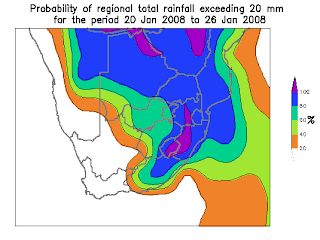
Windguru is a new website I use (Dave Weaver the guru of Sterkfontein uses it). It provides very accurate information for the Vaaldam. www.windguru.com
Insect Activity
The hatches are thick this time of the year, usually towards late afternoon when the day visitors who arrived at 5:30 are knackered and heading home. It’s really worthwhile booking an overnight once in a while and getting into the early evening action.
Black fly should be present on most days, remember to add a good quality insect repellent. This is one instance when going eco-friendly is not going to cut it, treat the inside of your shirt as well as your skin.
Approach and Technique 
I can honestly say that I am at a loss for words at the moment. We have covered everything in previous reports. I’m not seeing anything new in reports or the forums – or the guys are keeping it close. If you do experience tough conditions or blank on more than one occasion you’re probably a crap fisherman. Hahaha, no please send us an email and we will gladly give advice based on our experiences.
LARGEMOUTH
Summer is not traditionally a great time to target these fish but they obviously still feed. A friend of mine in Bothaville has received reports of big fish being caught. Which has galvanised him into action to search for a good largie.
The initial feedback from the telemetry study (non scientific) is that they do enter the rapids and shallower areas to feed. This measured against the winter haunts of 2-5 meters.
The database is growing albeit slowly (would help if I contribute). If any of you catch a largemouth please send us a brief email with the following details:
· Fly, size, colour.
· Date, time.
· Area, general, no need to divulge secret spots.
· Tactics, line, depth, retrieve.
This should benefit fellow anglers and could also provide valuable information to the conservation and research people.
NEWS 
We are getting reports and emails of fly fisherman becoming a nuisance on the Vaal. Absolute poppycock you would say we are after all the eco-friendly gentleman of the fishing world. We don’t leave campsites in a mess of rubbish and booze bottles.
Unfortunately we do have the same problem as all other fisherman – limited access to the river. Please keep in mind if you are canoeing on the Vaal you cannot merely stop and fish with no regard for the bank angler or the property owner, same goes for accessing the river at a point and then wading onto another “property”. Yes the resource belongs to all the people but please show the necessary respect and courtesy towards the other users. More on this subject to follow!
I would love some feed back from everyone out there on new items or points of interest you want to see on the blog. Tackle reviews comes to mind – that way I get to test new tackle for free – Patagonia, Sage etc.
Cheers
Carl & Keith
carl.yellowfever@gmail.com
keith@yellowsonfly.com
http://yellowsonfly.blogspot.com/
Monday, December 10, 2007
December 2007 Middle Vaal Report
 Dirk Human with one of his hand reared Smallmouth – he feeds them too much.
Occasionally a non-fisherman would comment on a trip that was less “successful” in terms of numbers of fish caught, saying: “that was a long distance to travel for 3 fish!” How do you explain to such a person that there is so much more to our pursuit than just the actual catching of fish? Yes it is magnificent when you do get a new record number or that big one, but surely there are more ingredients to the Bouillabaisse than just fish.
Preparing for trips must be a ritual that all of us partake in – invariably starting with a visit to your favourite fly shop, buying new gear (new C&F medium box for Sterkies) or tying various new or old successful flies. I always tie flies before a big trip even if my fly boxes are full, it gets me into the right frame of mind. That’s why I end up with so many unused patterns. I’m tying for Sterkfontein at the moment, enjoying the paradigm shift between the Vaal and Sterkies although we are fishing for the same species. Time to get out the #14 and smaller hooks as anything on a #10 looks gigantic.
Water and Weather forecast
This must be one of the wettest summers we’ve had in a couple of seasons. Keith it’s almost like in the UK, rain every day, I’m thinking of getting a brolly. It would be advisable to monitor the dam release as well as the Barrage reservoir release before venturing to the river. Some of the lodges like Elgro can give you accurate reports on the visibility.
For those remaining at home or visiting the Middle Vaal during the holidays the medium term forecast is for warmer and drier conditions. That should give you ample opportunity to explore the river.
Insect Activity
It is mid summer, the predominate hatches will be caddis – small dark brown to tan al the way to the big Vaal caddis. With the lower visibility you may have to concentrate your efforts subsurface where the larva can be imitated with everything form natural latex to the various shades of the green for the Vaal caddis.
Mayfly hatches occur, mostly late afternoon into the night. Once it starts getting dark I find a big attractor dry to be a better option than matching the hatch. The fish are very aggressive and will take anything that lands on the water. Nymphs can still be imitated with GRHE and darker brown/black patterns. If you are into imitative tying have a look at the clinging mayfly naturals, there are some distinct features to build into your patterns.
Black fly should be present on most days, remember to add a good quality insect repellent. This is one instance where going eco-friendly is not going to cut it, treat the inside of your shirt as well as your skin.
Approach and Technique
The different styles of Czech nymphing would be the bread and butter technique when the flows do pick up. With lower summer viz you’ll have the benefit of being less visible to the fish as long as you adopt a careful noiseless wading style. This style of fishing can give you the edge when the flows are up at 25-30 cumecs.
There is obviously still place for regular nymphing and the other techniques discussed in these reports.
Black coloured flies do give better contrast in low visibility and don’t forget to try one of the many bloodworm imitations. Changes in flows wash these residents of the muddy substrate into the main current.
LARGEMOUTH
Summer is not traditionally a great time to target these fish but they obviously still feed. You can try fishing a large crab pattern while targeting smallies. You’ll be surprised how many smallies you pick up with the benefit of offering a more substantial meal to suite the appetite of a big largie. My first largie of over 70cm was caught on a crab pattern, in the rapids in February.
Another option is to wait until sunset and then to target the tail outs of large pools with big bulky flies – either surface or sub surface. I’ve seen big largies move into the shallower water, one memorable fish at Wag ‘n Bietjie effortlessly popped a 2X tippet. Best to go 1X or even 0X and have more than memories.
If any of you catch a largemouth please send us a brief email with the following details:
· Fly, size, colour.
· Date, time.
· Area, general, no need to divulge secret spots.
· Tactics, line, depth, retrieve.
This should benefit fellow anglers and could also provide valuable information to the conservation and research people.
NEWS
My holiday did not produce the fishing opportunities dreamed up in preparation of the trip. Instead we unfortunately witnessed the severe flooding and extensive damage and loss experienced by the people of the Western Cape. I did get 4 small Garrick on a Flipper it’s a good fly that – certainly one I will adopt for Largies.
FOSAF recognised the contribution we make and sent me the latest edition of Favourite Flies (Keith it’s in the library) – great book with interesting contributions from great fly fisherman around the country.
I found a dead Cape Gannet on the beach which was ringed (dead ringer?). A quick Google put me in touch with the avian demography unit at UCT http://www.birds.sanbi.org/safring/safring.php. or safring@adu.uct.ac.za or safring@gmail.com
If you do find or see ringed birds and can get the ring number please forward to them, they certainly do respond and appreciate the feedback.
Cheers
Carl

 Posts
Posts


